
Consumer Protection and the Responsible Lending Code of New Zealand

Back in the day, there was no such thing as the responsible lending code of New Zealand. So it was unfortunate when three young mothers in Auckland found themselves drowning in $144,000 of debt spread across nearly 30 separate loans in 2018.
They weren’t living beyond their means or chasing luxury items. These families owed money for everyday essentials like vehicles, household appliances, and clothing. Between them, they were raising 14 children and had nowhere safe to call home.
They needed essential items for their families, so they applied for credit. Finance companies approved loan after loan, even when it became crystal clear these mothers couldn’t handle the repayments. Interest rates climbed higher, default fees piled on when payments were missed, and what started as necessary purchases became financial quicksand.
Hurimoana Dennis, chairman of Te Puea Memorial Marae where the families sought emergency housing, didn’t mince words when describing what he witnessed. He called it a systemic failure where lenders put profit ahead of doing what’s right.
Fast forward mid-2025, New Zealand’s non-bank lending industry had grown into a massive financial force, with over $7 million flowing to everyday consumers and nearly $9.5 million supporting businesses across the country.

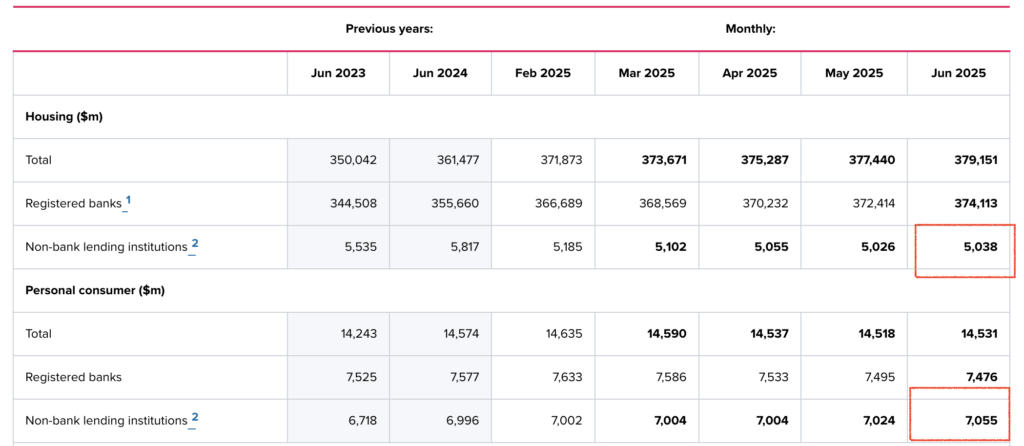
These aren’t your traditional banks we’re talking about. These are finance companies, payday lenders, car dealers offering instant credit, and online platforms promising quick cash.
When these lenders operate responsibly, they provide vital credit to families and businesses who might struggle to get approval from major banks. But when they prioritize profit over people, the consequences can be devastating for borrowers who trust them with their financial futures.
Understanding the New Zealand Responsible lending code could be a matter of life and death for every borrower.
What is the Responsible Lending Code
Think of the Responsible Lending Code as New Zealand’s rulebook for how lenders must treat borrowers. This is law, backed by the CCCFA or Credit Contracts and Consumer Finance Act 2003 by the commerce commission, and every lender in New Zealand must follow it.
The code first came into effect on June 6, 2015, but it’s been updated several times since then. The government recognized that the financial landscape keeps changing, and the rules needed to evolve too.
The Golden Rule for Lenders
At its heart, the code establishes one fundamental principle: every lender must act with proper care, attention, and expertise when dealing with borrowers. This isn’t just during the application process. The rule applies from the moment they advertise their services, through every interaction with borrowers, right up until the loan is fully repaid.
What does this mean in practice? Lenders must exercise responsible practices during:
- Any advertising of credit, finance agreements, or credit-related insurance
- The approval process for loans, finance agreements, insurance contracts, and when accepting guarantors
- All ongoing dealings with borrowers and guarantors throughout the life of any agreement
These lender responsibility principles apply to everything: personal loans, car finance, store credit, mortgage, payday loans, and even credit-related insurance. Whether you’re borrowing $500 or $500,000, the same standard applies. The code also covers guarantors, so if someone is willing to back your loan, lenders have responsibilities toward them too.
What Lenders Must Do to Protect You
The responsible lending code doesn’t just tell lenders to “be nice.” It creates specific legal duties that put real teeth behind borrower protection. Understanding these duties helps you recognize when a lender is doing their job properly and when they’re cutting corners.
When Lenders Break the Rules
What happens if a lender ignores these principles? The consequences can be severe. Courts have broad powers to step in and make things right. They can order lenders to compensate borrowers for damages, restrict how lenders operate, or even ban repeat offenders from working in the industry entirely.
If a lender has failed multiple times to follow responsible lending principles, a district court can prohibit them from acting as a creditor altogether. This isn’t just a slap on the wrist. It’s a career-ending penalty that shows how seriously New Zealand takes borrower protection.
No Oppressive Lending Allowed
Lenders cannot use oppressive tactics at any stage of your relationship. This means the loan itself, how they convince you to sign up, and how they treat you afterward must all meet reasonable standards.
What counts as oppressive? Think harsh terms that are unjustly burdensome, unconscionable behavior, or practices that violate reasonable commercial standards. If a lender is pressuring you into a loan you clearly can’t afford, charging excessive fees, or using aggressive collection tactics, they’re likely crossing the line into oppressive territory.
This protection exists because some lenders used to prey on vulnerable borrowers, knowing they had little recourse. Now, there are clear legal boundaries that lenders cannot cross.
Helping You Make Smart Decisions
Lenders have a positive duty to help you make informed choices. They can’t just hand you a contract and walk away. They must ensure you understand what you’re signing up for, both at the beginning and throughout your loan.
This includes making sure their advertising isn’t misleading or confusing. Have you ever seen a loan ad that seemed too good to be true? Under the code, lenders must present information clearly and honestly. All loan terms must be written in plain language that ordinary people can understand.
Why does this matter? Because financial jargon can hide important details that dramatically affect your costs. When lenders explain things clearly, you can make better decisions about whether a loan actually helps or hurts your financial situation.
Reasonable Treatment throughout Your Loan
The code requires lenders to treat you reasonably and ethically at all times. This becomes especially important when things go wrong. If you miss payments, face unexpected hardship, or deal with repossession, lenders must still act fairly.
This doesn’t mean they have to forgive all debts or ignore missed payments. But it does mean they need to work with you reasonably, consider your circumstances, and follow proper procedures. Ethical treatment during difficult times can make the difference between temporary setbacks and financial ruin.
Understanding Fees and What Lenders Can Charge You
Nobody likes surprise costs, especially when you’re already borrowing money. The good news is that New Zealand’s lending rules put strict limits on what fees lenders can charge and how they must tell you about them. These protections exist because some lenders used to pile on hidden charges that turned affordable loans into financial nightmares.
Every Fee Must be Revealed Upfront
Lenders cannot hide fees in the fine print or spring them on you later. They must list every single fee in your initial disclosure statement before you sign anything. This includes explaining what each fee covers, when you’ll need to pay it, and exactly how much it costs.
If a lender can’t calculate the exact amount at the time you apply, they must clearly explain how they’ll work out the fee. No vague language or confusing formulas allowed. You have the right to understand your total borrowing costs from day one.
What happens if they want to change fees later? They have only five working days to notify you of any fee changes or new charges. This rule prevents lenders from quietly increasing costs after you’ve already committed to the loan.
Fees Must Match Real Costs
Lenders can charge reasonable fees for credit and defaults, but they can’t use fees as a backdoor profit center. Courts will examine whether fees reflect actual costs to the lender and meet reasonable commercial standards.
This protection stops lenders from charging excessive penalty fees that bear no relationship to their actual losses. If you’re hit with a $50 fee for a payment that’s one day late, and it only costs the lender $5 to process, that fee probably isn’t reasonable.
The reasonableness test gives you legal recourse if lenders try to profit unfairly from your mistakes or difficulties.
Third Party Costs Pass through at Actual Price
Sometimes lenders need to pay other companies for services related to your loan, like property valuations or legal fees. When this happens, they must pass these costs to you at exactly what they paid, nothing more.
If a lender estimates a third party will charge $200 but the actual cost turns out to be $150, they must refund you the $50 difference. They cannot keep that money as extra profit.
This rule ensures you only pay for services you actually receive, not padded estimates that benefit the lender. It’s another way the code prevents lenders from using hidden markups to increase their profits at your expense.
Fee Names Must be Descriptive and Accurate
Under the responsible lending code, lenders must use clear, descriptive names that actually tell you what the charge covers.
The fee description should explain what triggers the charge, what costs it covers, and when you’ll need to pay it. If a lender calls something a “late payment fee,” it should only cover costs related to late payments, not general business expenses.
When Good Intentions Go Too Far
There have been several changes to the responsible lending code, but not always in ways that helped ordinary New Zealanders. One of the latest changes in 2021 is a good example of when good intentions designed to protect vulnerable borrowers ended up making life harder for almost everyone trying to get credit in NZ.
The 2021 Crackdown that Went Overboard
In 2021, the government tightened lending rules with the best of intentions. They wanted to stop predatory lenders from trapping vulnerable families in unaffordable debt, like what happened to those three mothers in Auckland. The new rules required lenders to follow strict, detailed processes when assessing loan applications.
The problem wasn’t the goal. It was how broadly the regulation applied. Instead of targeting problematic lenders, the changes swept across the entire financial service industry, including reputable banks that had never been part of the problem.
Suddenly, even high-quality lenders lost the flexibility they’d always used to make sensible lending decisions. Every application, regardless of how creditworthy the borrower, had to go through the same intensive scrutiny process.
When Coffee Purchases Derailed Home Loans
The results were absurd and frustrating for countless New Zealanders. Processing times for loan applications ballooned as lenders had to examine every detail of applicants’ spending habits. People found themselves having loan applications rejected over trivial purchases: Kmart shopping trips, daily coffee runs, or spending “too much” on their pets.

Even borrowers with excellent credit histories and stable incomes discovered their borrowing power had shrunk dramatically. The rules meant lenders had to assume the worst about every expense, no matter how reasonable.
First-time home buyers were hit particularly hard. Many found themselves priced out of the housing market entirely, not because they couldn’t afford repayments, but because the new assessment processes made it nearly impossible to qualify for loans.
The New Version of the Responsible Lending Code
By 2024, it became clear that the pendulum had swung too far.
The new guidelines clarify what lenders should actually focus on when checking affordability. They need to be satisfied you can make loan payments without undue difficulty while still covering your necessities like housing, food, utilities, transport, medical expenses, and childcare. You should also be able to meet your other financial commitments without having to borrow more money or sell assets you hadn’t planned to use for repayments.
More importantly, the new code provided examples rather than rigid requirements. Lenders have flexibility to consider what’s relevant for each borrower’s situation instead of following a one-size-fits-all checklist. The new approach recognizes that different borrowers present different levels of risk, and assessment processes should reflect that reality.

Subscribe to our Blog
Related Posts
Latest Posts



Alternate Finance
Online Loans NZ Wide - Quick Personal Cash Loans
Alternate Finance offers instant cash loans NZ wide and is an established and trusted local money lender with active charitable undertakings.