Overdrafts vs Personal Loans – Which Is Better for You in New Zealand?

When your business or personal finances face timing gaps or unexpected costs, you might consider using a bank overdraft or a personal loan. Both give you access to funds, but they work very differently, and choosing the wrong option can lead to higher costs and ongoing financial stress.
Here’s a practical comparison to help you decide which option suits your situation.
How an overdraft works
An overdraft is a flexible facility attached to your bank account. It lets you go into a negative balance up to an agreed limit when you need to.
Overdrafts are typically used for:
- Managing short-term cash flow gaps
- Covering timing differences between income and expenses
- Emergency access to funds
Interest is charged daily on only the amount you use. However, there is no fixed repayment schedule, and costs can be unpredictable.
How a personal loan works
A personal loan provides a set amount of money upfront, which you repay in fixed instalments over an agreed term.
Personal loans are commonly used for:
- Planned expenses
- Larger one-off costs
- Consolidating existing debts
They offer certainty of repayments, a defined end date, and clear total cost.
Overdraft vs personal loan: side-by-side comparison
| Feature | Personal Loan | Overdraft |
| Repayments | Fixed, predictable | Variable |
| Interest charges | Known upfront | Charged daily |
| End date | Yes | No |
| Cost clarity | High | Harder to predict |
| Best for planning | Yes | No |
| Flexibility | Lower | High |
| Long-term cost risk | Lower | Higher |
| Budgeting control | High | Lower |
When a personal loan usually makes more sense
A personal loan is often the better option if:
- You have a specific expense to cover, like car repairs, medical bills, or a planned project
- You want predictable monthly repayments
- You prefer cost clarity and a defined payoff date
- You’re consolidating multiple debts such as credit cards or HPs into one repayment plan
- You don’t have an ideal history of managing overdraft debt payments, incurring fees.
This structure can help reduce financial stress and make budgeting simpler.
When an overdraft may be suitable
An overdraft can make sense if:
- You’re managing a short-term cash flow timing issue
- You expect funds to be repaid quickly
- You want flexible access that only costs interest on what you use
- Your borrowing needs are irregular and unpredictable
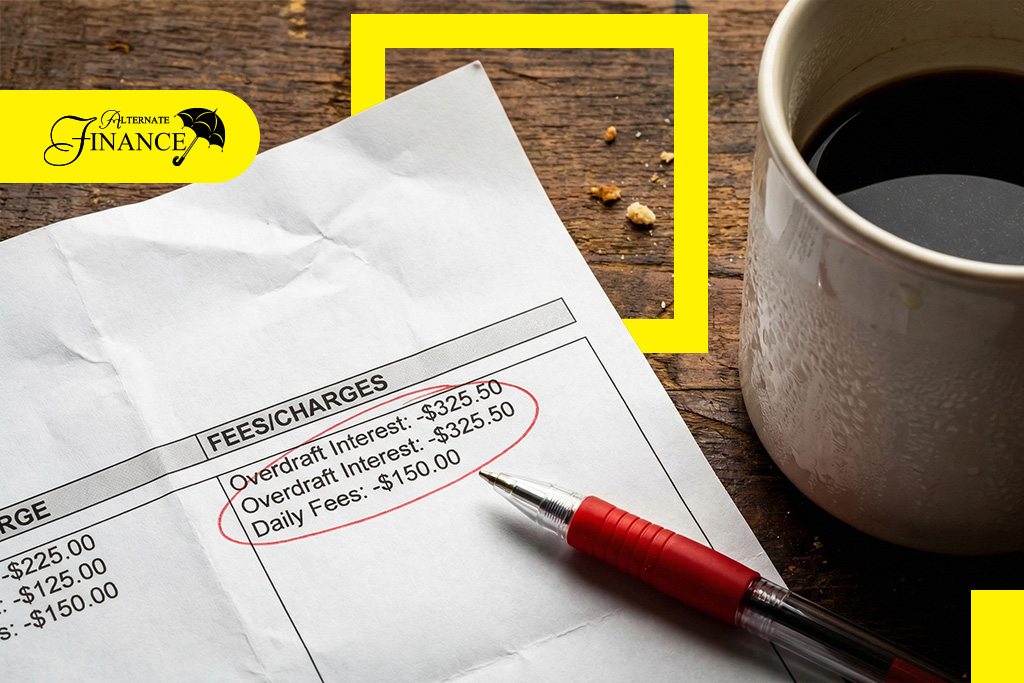
However, overdrafts can become expensive quickly if used long-term or if the balance stays negative for extended periods. If you don’t check your account balance daily, you may not realise you have exceeded your overdraft limit, and this can cost you a substantial amount of interest.
A simple rule of thumb
- Short-term cash gap of just a few days = Overdraft
- Planned expense that could take months to pay off = Personal loan
- Persistent overdraft use = Consider a personal loan
Matching the right facility to the purpose of borrowing helps avoid unnecessary interest and stress.
Example comparison (New Zealand)
Scenario:
Amount needed: $2,500
Option A – Overdraft
- Assume you use $2,500 from a $3,000 overdraft
- Interest is charged daily based on the outstanding balance
- No structured repayment schedule
- Cost depends on how long funds are outstanding
In practice, if the overdraft is used intermittently or frequently, the total interest can be higher than a loan, because rates are typically variable and charged daily.
Option B – Personal Loan
- Fixed-rate unsecured loan at 9.95% p.a.
- Term: 36 months
- Monthly repayment: approx. $79.70
- Total interest: approx. $369
Outcome:
- Overdraft: cost and term unpredictable, dependent on usage
- Personal loan: structured repayment, clear cost, and end date
Who an overdraft is NOT a good idea for in New Zealand
An overdraft may make your financial situation worse if:
- You rely on it long-term rather than for short gaps
- Your income is variable or unpredictable
- You struggle to monitor daily balances
- Interest costs are mounting because negative balances last for weeks or months
- You want structured budgeting and certainty
Who a personal loan is NOT a good idea for in New Zealand
A personal loan may not be right if:
- Your needs are very short-term (Days) or anticipated to resolve quickly
- The amount you need is smaller than $800
- You need ongoing flexible borrowing
- Your credit history means very high rates that outweigh loan benefits
- You expect income or circumstances to change soon
Loans work best when you can commit to the repayment term. The good news is that inflation is on your side. If inflation increases each year, it’s a small win to counter the interest rates you’re being charged, if you’ve chosen to spread your finance agreement over a number of years.
Frequently Asked Questions – Overdraft vs Personal Loan
Is an overdraft cheaper than a personal loan?
Overdrafts can be cheaper for very short and occasional use, but costs become unpredictable over time, especially if you’re not able to pay the overdraft back quickly. An overdraft debt can compound rapidly. Personal loans are often more cost-effective for planned expenses.
Which option offers more control over repayments?
Personal loans offer more control because of fixed instalments, and a defined end date.
Can overdrafts harm my credit score?
Regular overdraft use by itself doesn’t guarantee harm, but frequent large negative balances and unpaid interest can be reflected in your credit file. What this means is that it may be harder to borrow in future, for example, a home loan may be harder to acquire if you have a low credit score.
Can I use a personal loan to reduce overdraft reliance?
Yes. Switching from overdraft to a personal loan for planned or ongoing costs can create clearer budgeting. You may also find that if you prepay expenses, you may get a discount which is another small win to offset any interest costs on the finance agreement.
Final takeaway
An overdraft is useful for flexible, short-term borrowing and cash flow timing gaps, but it isn’t designed to fund planned expenses or larger purchases.
A personal loan, with fixed repayments and clear terms, is usually the better option when you know what you need, how much you need, and how long it will take to repay.




Alternate Finance
Online Loans NZ Wide - Quick Personal Cash Loans
Alternate Finance offers instant cash loans NZ wide and is an established and trusted local money lender with active charitable undertakings.