Buy Now, Pay Later (BNPL) vs Personal Loans – Which Is Better?
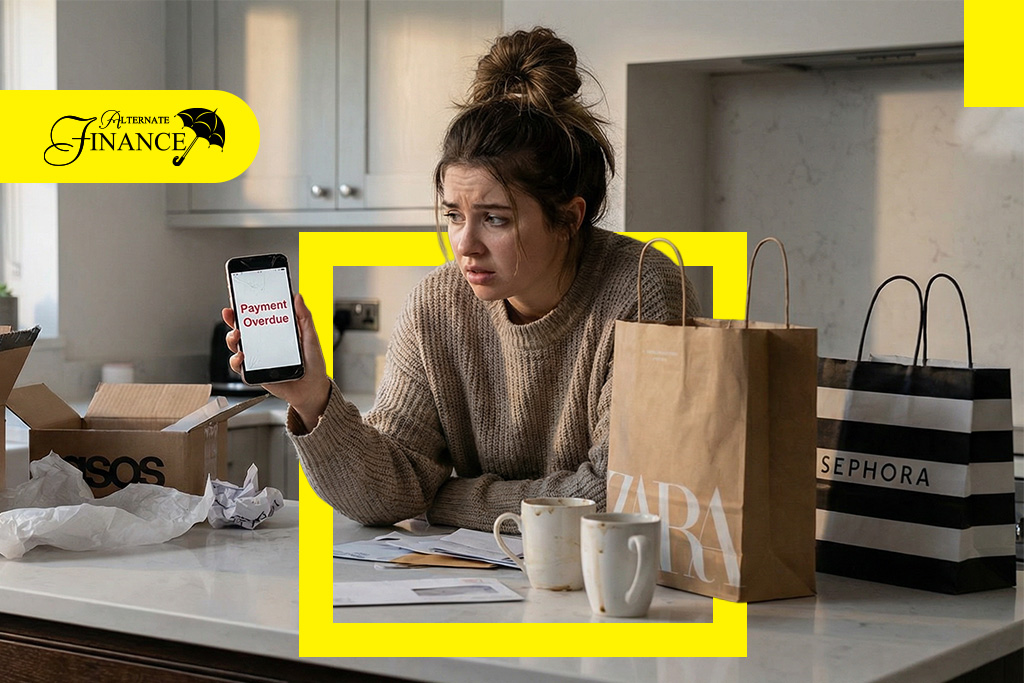
When you need to spread the cost of a purchase, Buy Now, Pay Later (BNPL) services can seem like an easy solution. But while BNPL can work well for small, short-term spending, it isn’t always the best option for larger or planned expenses. A personal loan from a private lender is often overlooked in favour of BNPL – yet in many situations, it can be the more affordable and controlled choice than the likes of a credit card or BNPL.
Here’s a clear comparison to help you decide which option is better for your situation.
How BNPL works
BNPL such as AfterPay, can allow you to split a purchase into instalments, usually over a short period. Many providers advertise “interest-free” payments, provided repayments are made on time.
BNPL is commonly used for:
However, BNPL often includes:
- Late payment fees
- Multiple overlapping repayment schedules
- Automatic deductions that can strain cash flow
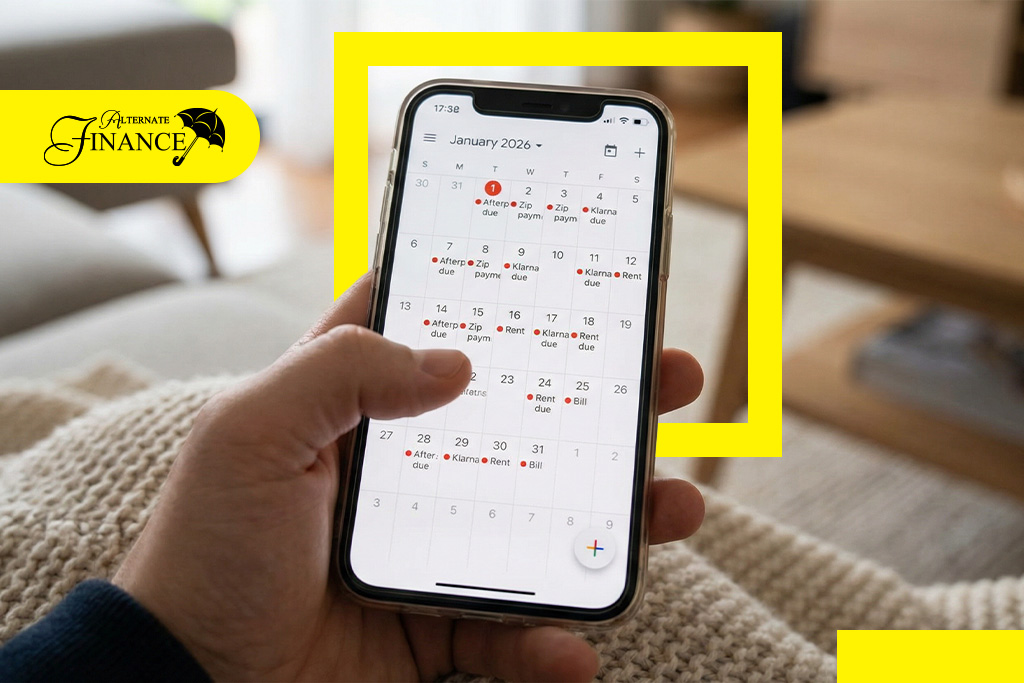
Managing several BNPL plans at once can quickly become difficult, especially if your income varies.
How personal loans work
A personal loan provides a lump sum upfront, which you repay in fixed instalments over an agreed term.
Personal loans are typically used for:
- Planned expenses
- Larger one-off costs
- Medical bills, car repairs, or consolidating other debts
They offer structure, cost clarity, and a defined end date, making them easier to budget for over time.
BNPL vs Personal Loan: side-by-side comparison
| Feature | Personal Loan | Buy Now, Pay Later |
|---|---|---|
| Repayments | Fixed, predictable | Multiple instalments |
| Interest | Usually charged, often lower | Often interest-free initially |
| Fees | Disclosed upfront | Late fees common |
| Best for large expenses | Yes | No |
| Cost clarity | Clear from the start | Can become unclear |
| Budgeting control | High | Easy to over-commit |
| Long-term use | Designed for it | Not designed for it |
| Risk of repayment stress | Lower | Higher if multiple plans |
A personal loan is often the better option if:
- You’re funding a larger planned expense
- You want one clear repayment schedule
- You prefer to know the total cost upfront
- You’re consolidating several BNPL repayments into one
- You want borrowing that’s easier to manage month-to-month
For many people, this structure helps avoid juggling multiple payment dates and fees.
When BNPL may be suitable
BNPL can make sense if:
- The purchase is small (under $800) and short-term
- You’re confident you can meet every instalment on time
- You’re managing one plan, not several
- You value convenience in retail purchases
- Problems usually arise when BNPL is used repeatedly or relied on for essential costs.
A simple rule of thumb
- Small retail purchases under $800 = BNPL
- Planned expense = Personal loan
- Multiple BNPL plans = Consider a personal loan
The key is to match the borrowing structure to how the money will actually be used.
Choosing the right option
Before committing, ask yourself:
- How many repayments will I be managing at once?
- What happens if I miss a payment?
- What is the total loan amount you’ll have to pay?
- Is the total cost really “interest free”?
- Would fixed repayments reduce financial stress?
- Are you likely to pass credit checks?
- What repayment term suits your lifestyle best.
Understanding this upfront can help avoid fees, repayment fatigue, and unnecessary debt.
Example BNPL vs personal loan borrowing in New Zealand
This example is illustrative only. Rates, fees, and terms vary by provider.
Scenario
Amount needed: $2,500
Option A – BNPL
- Split across 4 BNPL services
- Repayments spread over 6-12 months
- Late fees apply if payments are missed
Approximate outcome:
- Multiple automatic deductions
- Total fees can exceed $300–$500 if repayments are missed
- High repayment pressure if income fluctuates
Option B — Personal loan
- Fixed-rate unsecured loan: 9.95% p.a.
- Term: 36 months
- Approximate outcome:
- Monthly repayment: ~$79.70
- Total interest: ~$369
One predictable repayment
Who BNPL is NOT a good idea for
- BNPL may not be suitable for New Zealanders if:
- You already manage multiple BNPL plans
- You struggle with budgeting or tracking repayments
- Your income is irregular
- You rely on BNPL for essential living costs
You frequently incur late fees
You want to finance a large purchase long-term
If you identify with several of the points above, it’s worth considering a personal consolidation loan.
Who a personal loan is NOT a good idea for (New Zealand)
A personal loan may not suit if:
- You need very short-term borrowing (Days)
- The amount is small, and the fees outweigh the benefits
- Your credit profile means very high interest rates
- You need highly flexible or variable repayments
- You expect a major change in income or circumstances
Frequently Asked Questions – BNPL vs Personal Loan
Is BNPL really interest-free?
Often, yes, but only if all repayments are made on time. Late fees can add up and compound quickly.
Which option is cheaper overall?
For larger or longer-term borrowing, a personal loan is often cheaper due to lower interest and fewer fees.
Can BNPL affect my credit score in NZ?
Yes. Missed BNPL payments can be reported and may negatively affect your credit profile.
Can I use a personal loan to pay off BNPL debt?
Yes. Consolidating multiple BNPL repayments into one affordable personal loan can simplify budgeting and reduce stress considerably.
Which option is easier to manage?
Personal loans typically offer easier management due to one repayment and a fixed end date.
Final takeaway
BNPL can be convenient for small, short-term purchases. But for larger planned expenses, a personal loan often provides greater clarity, control, and long-term affordability.




Alternate Finance
Online Loans NZ Wide - Quick Personal Cash Loans
Alternate Finance offers instant cash loans NZ wide and is an established and trusted local money lender with active charitable undertakings.